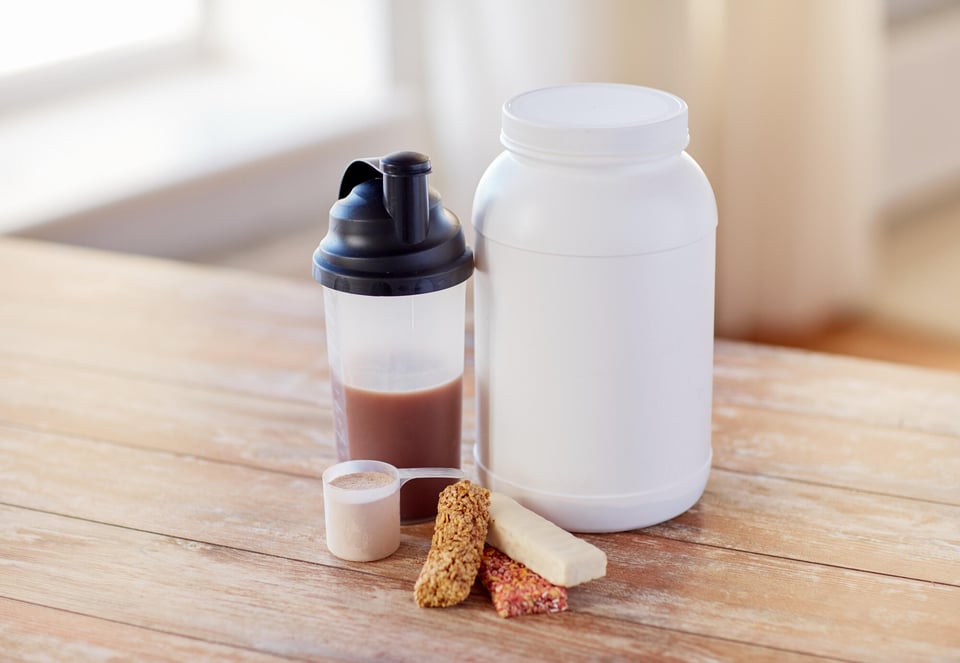
Protein drinks for seniors to gain weight provide a convenient way to boost calorie and nutrient intake when appetite declines with age. These supplements help older adults maintain muscle mass and meet their daily nutritional needs.
Nearly one in five (18.8%) community-dwelling older adults suffers from sarcopenia--a condition marked by age-related muscle loss--according to a systematic review and meta-analysis carried out to determine the prevalence of the condition. Protein intake is essential for maintaining a healthy weight and for preserving muscle strength in older adults.
LakeHouse Escanaba, situated along Little Bay de Noc in Michigan's Upper Peninsula, provides a serene environment for seniors. Our assisted living community in Escanaba, MI, recognizes that proper nutrition plays a crucial role in overall wellness. Residents benefit from meal planning that supports their health goals when needed.
Why Do Seniors Need More Protein?
As your body ages, it becomes less efficient at processing protein. Muscle loss, known as sarcopenia, affects nearly half of adults over age 80. Adequate protein intake helps slow this decline. Seniors who consume enough protein maintain better strength, mobility, and independence.
Many older adults struggle to meet their protein needs through food alone. Reduced appetite and digestive changes make eating more challenging. High-calorie supplements offer a practical solution to bridge these gaps.
With the need for increased protein established, choosing the right supplement requires attention to several factors. Consider these key elements:
- Protein content: Look for at least 20 to 30 grams per serving
- Calorie density: Choose products with 300 to 500 calories for weight gain
- Added vitamins: Calcium and vitamin D support bone health
- Sugar content: Lower sugar options benefit blood glucose management
Nutritional needs shift significantly with age and activity levels. Calorie-dense protein drinks for seniors to gain weight combine protein with healthy fats and carbohydrates to offer balanced nutrition.
What Types of Protein Are Best for Seniors?
Different protein sources offer varying benefits. Whey protein remains a popular choice for anyone looking for healthy protein options. It digests quickly and contains all essential amino acids, making it particularly effective for building muscle in older adults.
Plant-based proteins made from peas, soy, or rice work well for those with dairy sensitivities. Casein protein digests slowly, making it ideal for overnight muscle repair. Keep these points in mind when considering supplements:
- Consult with a healthcare provider before starting any new supplement
- Start with smaller portions to assess tolerance
- Choose products without excessive artificial ingredients
- Consider individual dietary restrictions and allergies
The best protein source depends on individual health needs, dietary restrictions, and personal goals. Working with a healthcare provider helps seniors identify which option aligns with their specific situation.
How Assisted Living Communities Support Nutritional Goals
LakeHouse Escanaba, a premier assisted living community in Escanaba, MI, prioritizes aging nutrition needs through chef-prepared meals served three times daily in an elegant dining room, using fresh ingredients to create balanced, flavorful options tailored for seniors.
Residents enjoy flexibility with in-apartment dining, ensuring convenience while promoting variety through whole grains, fruits, vegetables, lean proteins, and healthy fats that support digestion, energy, and chronic disease prevention.
This approach incorporates sample weekly plans, such as:
- Oatmeal with berries
- Grilled chicken salads
- Baked salmon with quinoa
These options keep meals engaging and nutrient-dense. Hydration reminders and social mealtimes further enhance enjoyment and intake, fostering healthy aging in a home-like setting.
Beyond providing nutritional support, our community offers wellness programs and low-impact exercises. Physical activity combined with proper nutrition creates the best outcomes for senior weight support and emotional wellness.
How to Take Protein Drinks for Seniors to Gain Weight Safely
Most registered dietitians recommend consuming protein drinks between meals rather than as replacements. This approach ensures seniors continue eating regular foods while boosting their overall intake.
Timing matters for protein absorption. Spreading protein intake throughout the day proves more effective than consuming large amounts at once.
Seniors with kidney concerns should discuss protein supplementation with their doctors. Staying hydrated becomes especially important when increasing protein intake.
Frequently Asked Questions
What Ingredients Should Seniors Avoid in Protein Drinks?
Seniors should steer clear of products with excessive added sugars, artificial sweeteners, and unnecessary fillers. Many protein supplements contain maltodextrin, which can spike blood sugar levels quickly. Reading labels carefully and choosing products with short, recognizable ingredient lists helps ensure a safer choice.
How Can Seniors With Poor Appetite Increase Protein Intake?
Adding unflavored protein powder to everyday foods like oatmeal, soups, or mashed potatoes boosts nutrition without increasing meal volume. Smaller, more frequent protein-rich snacks throughout the day often work better than large meals. Liquid supplements between meals provide calories and protein without causing fullness before mealtimes.
Do Protein Drinks Interact With Common Medications for Seniors?
Certain protein supplements can affect how medications are absorbed in the body. Calcium-fortified drinks may interfere with thyroid medications and some antibiotics. Seniors taking blood thinners, diabetes medications, or kidney-related prescriptions should discuss supplement timing and ingredients with their pharmacist or physician.
What Signs Indicate a Senior Needs More Protein?
Unintended weight loss, slow wound healing, and increased fatigue often signal inadequate protein intake. Weak grip strength, frequent infections, and thinning hair can also indicate a deficiency. Seniors noticing these symptoms should request bloodwork and a nutrition assessment from their healthcare provider.
How Long Does It Take to See Results from Protein Supplementation?
Most seniors notice improvements in energy levels within two to four weeks of consistent protein supplementation. Measurable gains in muscle strength typically require eight to twelve weeks when combined with light resistance exercises. Individual results vary based on overall health status, activity level, and baseline nutritional deficiencies.
Senior Weight Support Starts With the Right Care
Proper nutrition forms the foundation of healthy aging. Protein drinks for seniors to gain weight offer one effective tool in a complete wellness plan. Understanding protein sources and individual health needs helps families make smart choices.
LakeHouse Escanaba delivers a cozy, lake-inspired haven where belonging meets independence in Escanaba, MI. Bright studio and one-bedroom apartments with kitchenettes blend privacy and convenience, steps from chef-prepared meals, 24/7 compassionate care, and vibrant activities like art workshops, exercise classes, and scenic outings.
To discover more assisted living dietary tips and learn how our senior living community can support your loved one's wellness journey, schedule a tour today.